
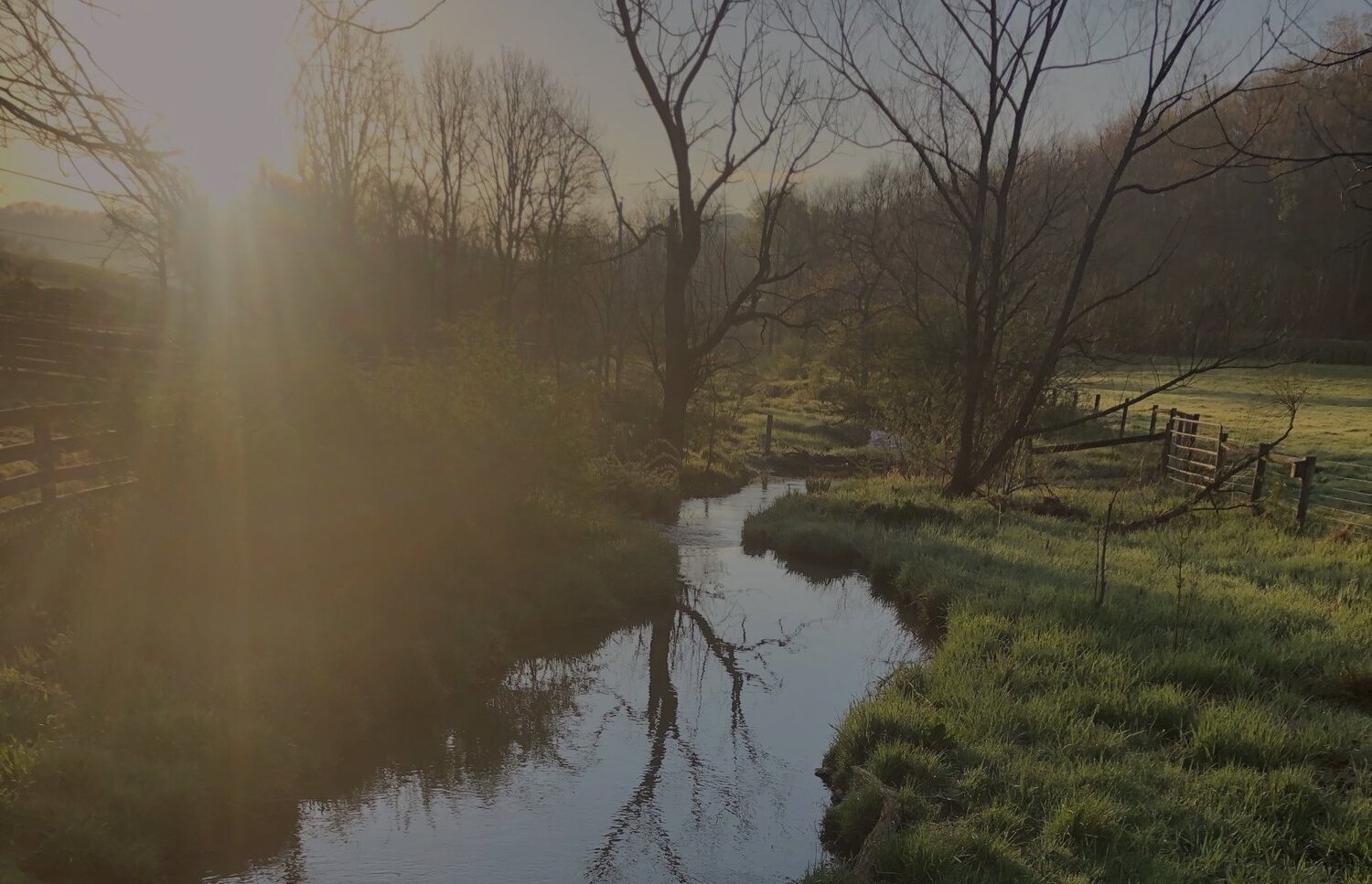
Restoration Overview
The Emma Creek Stream Restoration Project was completed in August, 2014. Over 1600 feet of stream were restored using log cross vanes, mudsills, and bank grading. As the current land use at the project is agricultural, the addition of 4 alternative watering systems and 200 feet of new fencing ensures that cattle are permanently removed from the majority of the restoration site. In spring of 2015, a 50-70 ft. riparian buffer will be planted along the length of the project. The restoration measures to date have increased water clarity, reduced nutrient loads, and maintained a connection between the stream and cool groundwater flow, all of which are necessary to improve native trout health and reproduction.
Water Quality Improvements
Excess nutrients and sediment produced by agricultural runoff, creates adverse conditions to trout and other organisms living in the creek. Our stream restoration on Emma’s Creek, removes excess nitrogen, phosphorus, and sediment on a daily basis to improve water quality.
74
Pounds/year reduced
29
Pounds/year reduced
25
Tons/year reduced

Implementation Approach
The restoration was constructed for less than 1/10th of the cost of a legacy sediment project that was proposed for our farm. Instead of lowering the floodplain, we created a floodplain of appropriate width at the current elevation. The stream has the ability to transport sediment through the project area and is now working as a sediment sink rather than a sediment producer.
Project Timeline
Site Assessment
Feb 23RD 2013
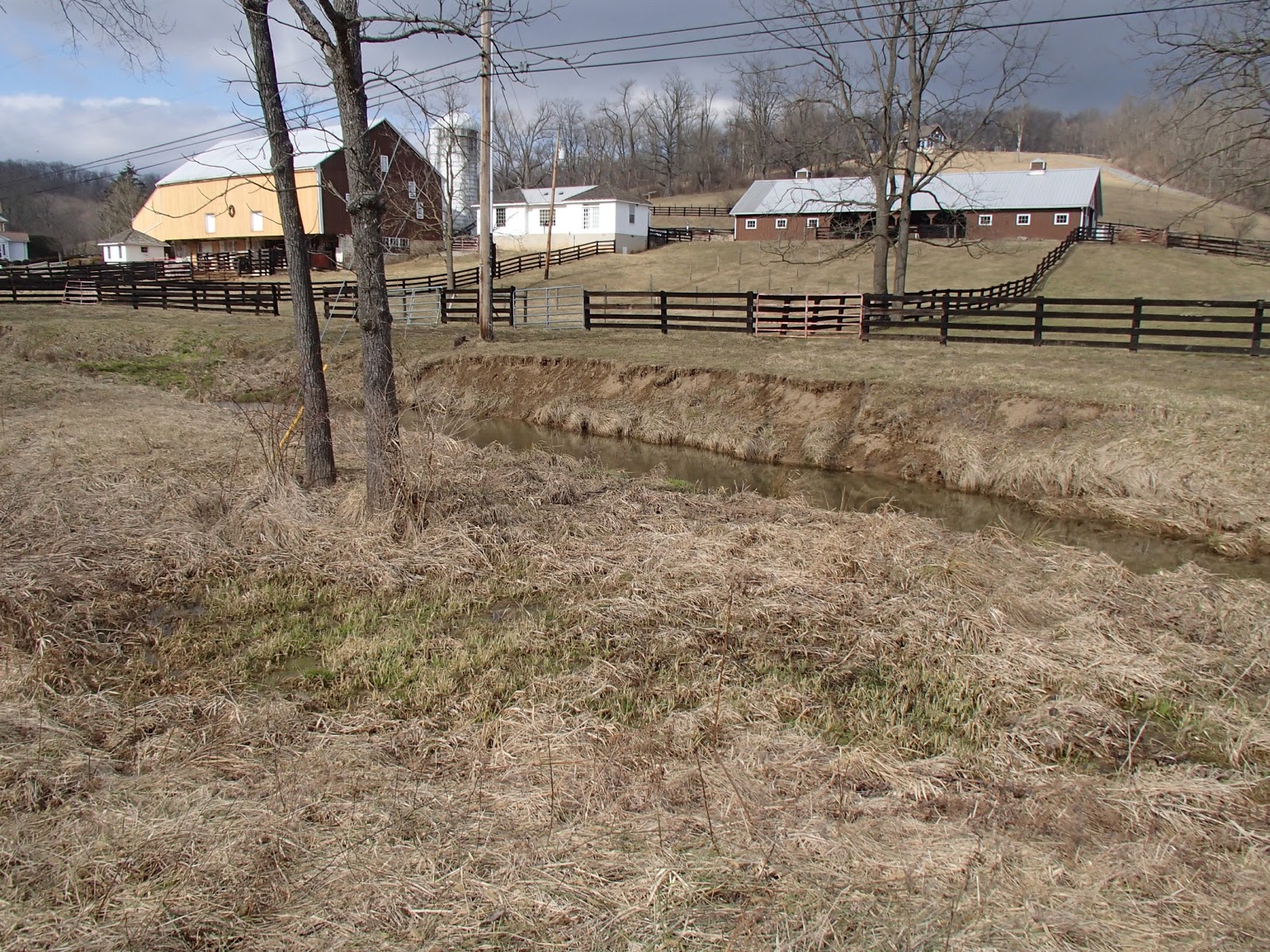
Our restoration team identified over 1600 linear feet of easily erodible legacy sediments creating a high vertical bank along Emma's Creek.
Stream Section Targeting
March 1st 2013
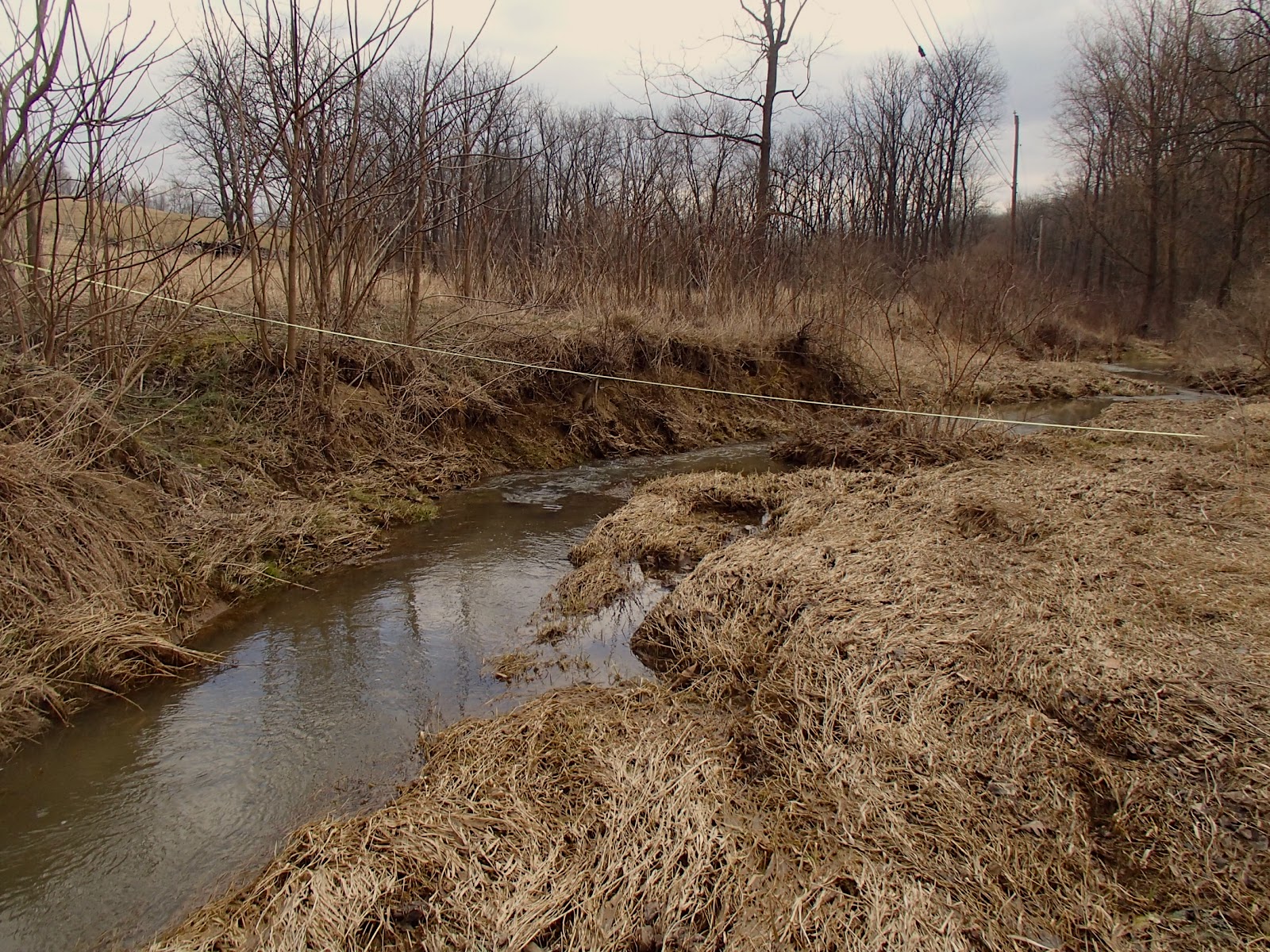
Post site assessment, our project team targeted specific stream sections in need of restoration. Bank grading and the construction of a log crib (mudsill) were chosen actions to create a floodplain and stabilize the bank in vulnerable spots like this one
Project Implementation
August 14th 2014
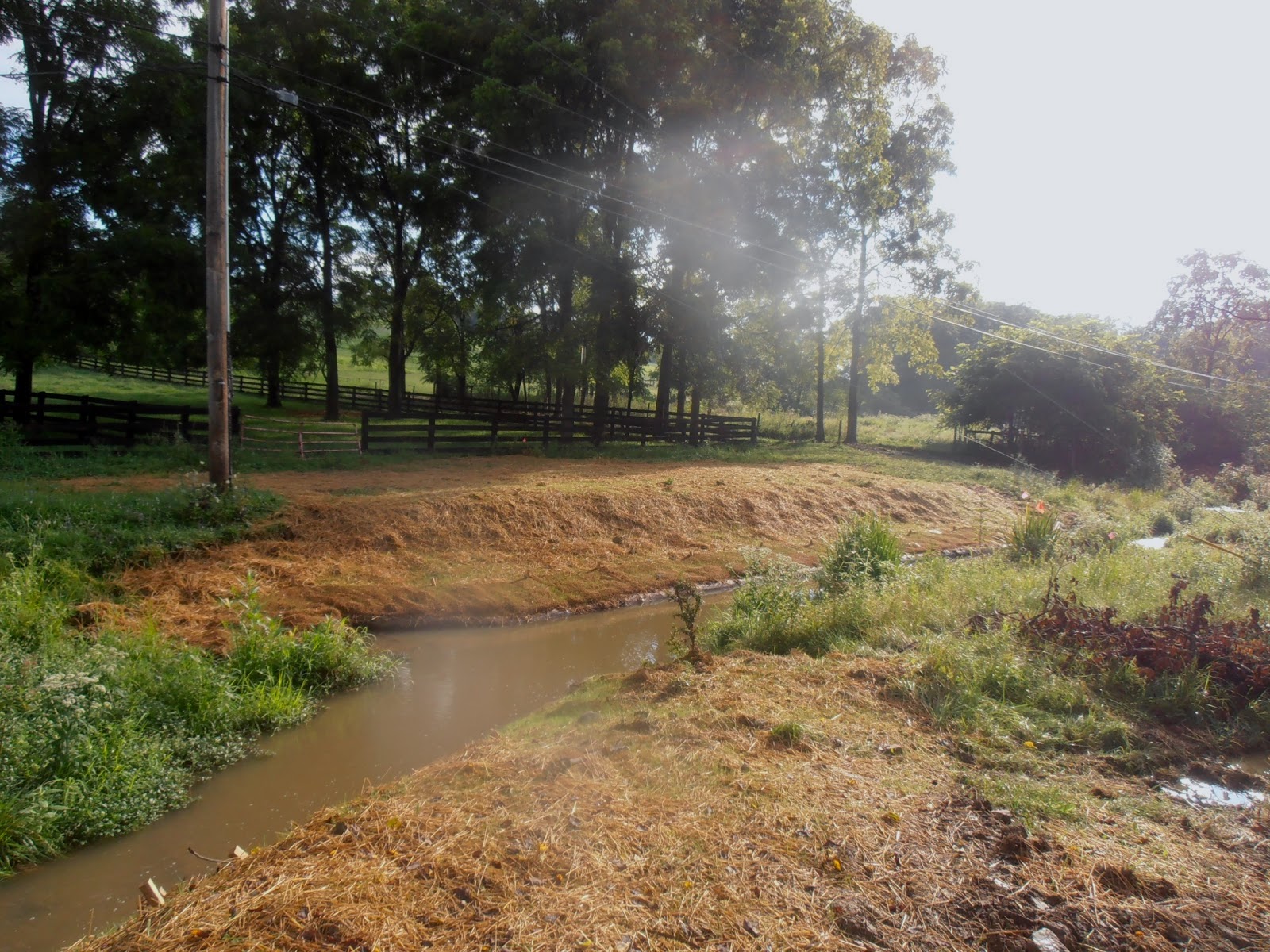
This is the lower end of the same site following a bank full flow. With appropriate channel and flood plain dimensions the stream is stable. Log cribs were built to support a bankfull bench that provides a floodplain, bank protection, and overhead cover. The cost of this structure is roughly $60 per foot.
Project Completion
Present Day
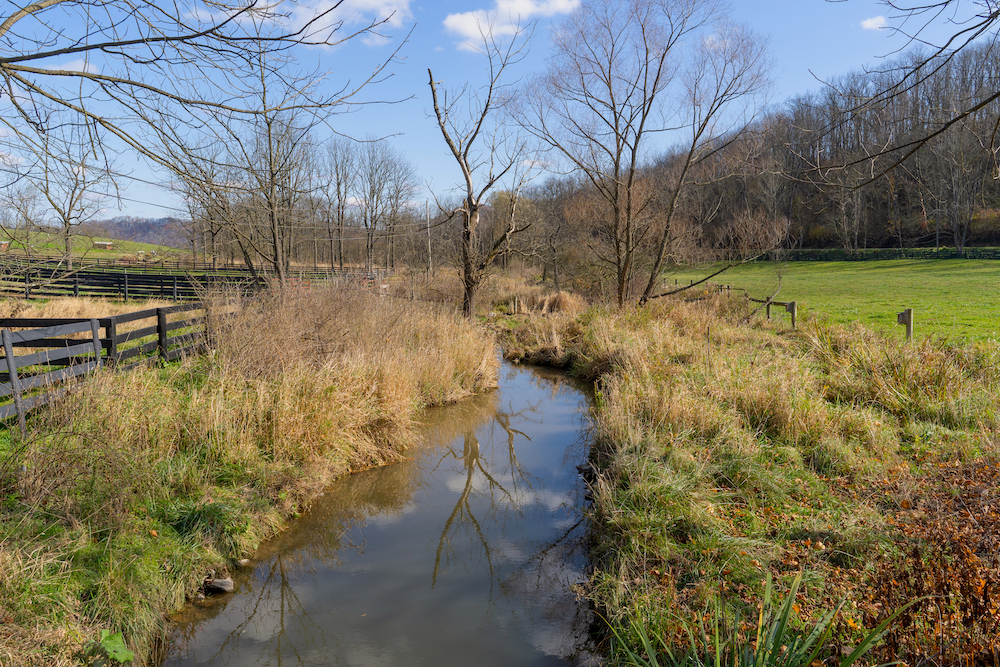
Having addressed sediment erosion by restoring the stream bank and channel to their natural design, our operation maintains a vegetative grass buffer to filter nutrients before they hit the stream. Routine buffer monitoring and maintenance occur quarterly to ensure this management practice remains of functional benefit to the landscape and water quality
Restoration Site Monitoring
Related Products
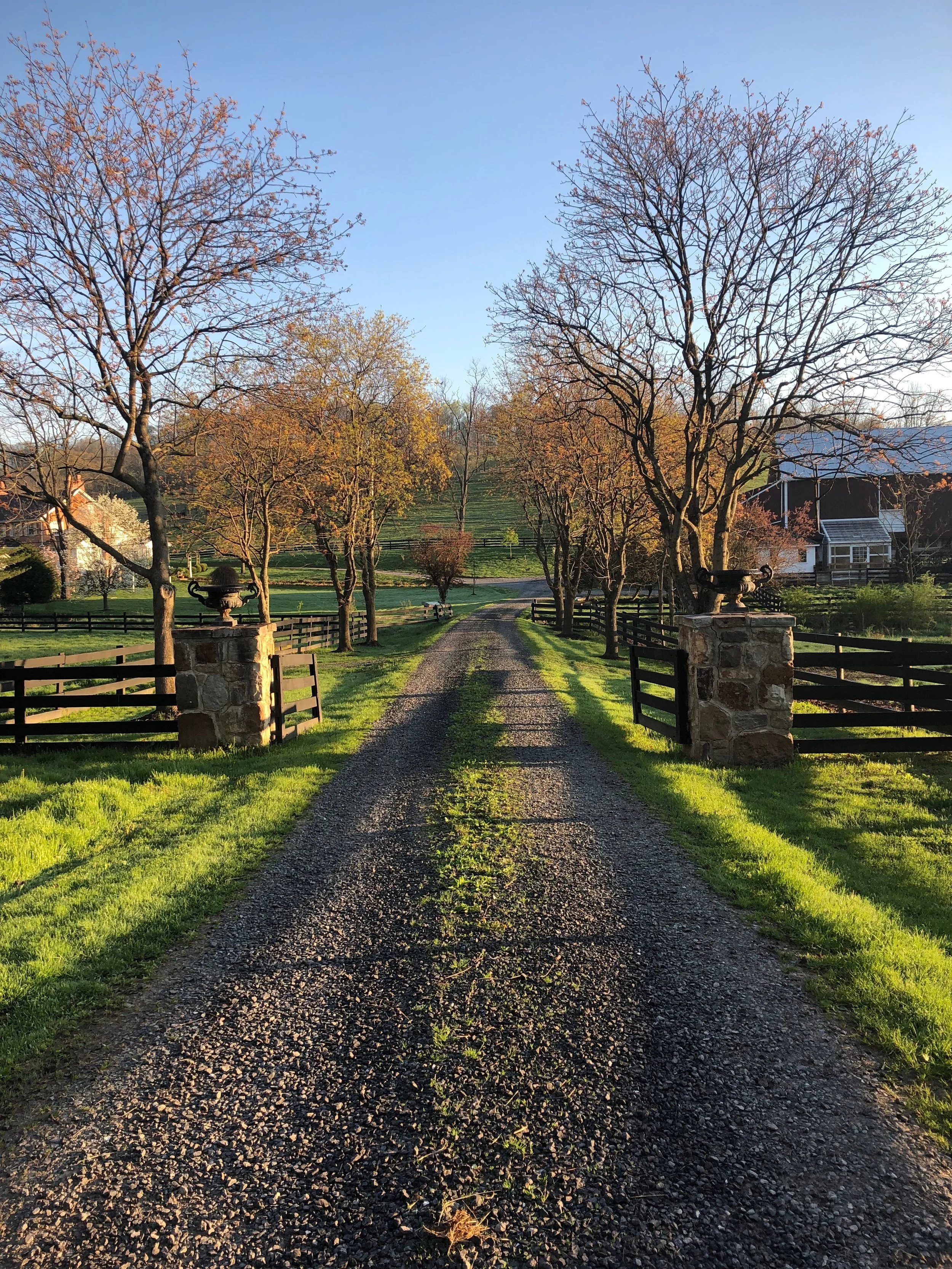

A Huntingdon Farm quarter of beef is traditionally how we’ve brought our high quality, grass-fed Angus to tables, homes, and families throughout our service area. Available for farm pickup or free delivery within in our service area, this is the most cost effective way to try a variety of cuts at the lowest price per pound. When buying from Huntingdon Farm, one does not purchase a front or hind quarter. Instead, customers receive a quarter of the animal to ensure fair distribution of premium cuts. Our quarters are fantastic for splitting with family and friends, building your own reserve, and restaurants looking to plate beef that is truly locally raised sustainably.
Quarters are approximately 110 to 120 pounds.